TOKYO – The Shinkansen operator removed a small, laminated card from his front shirt pocket. On it, he tapped the time when the train would pass by Mount Fuji.
“Left,” he said, gesturing to the window over his shoulder.
He continued on his way checking ticket passes. It felt unnecessary. Everybody was so orderly. On the platform, passengers politely waited single file for the trains to arrive. Even though it is rush hour, there are empty seats all along the train.
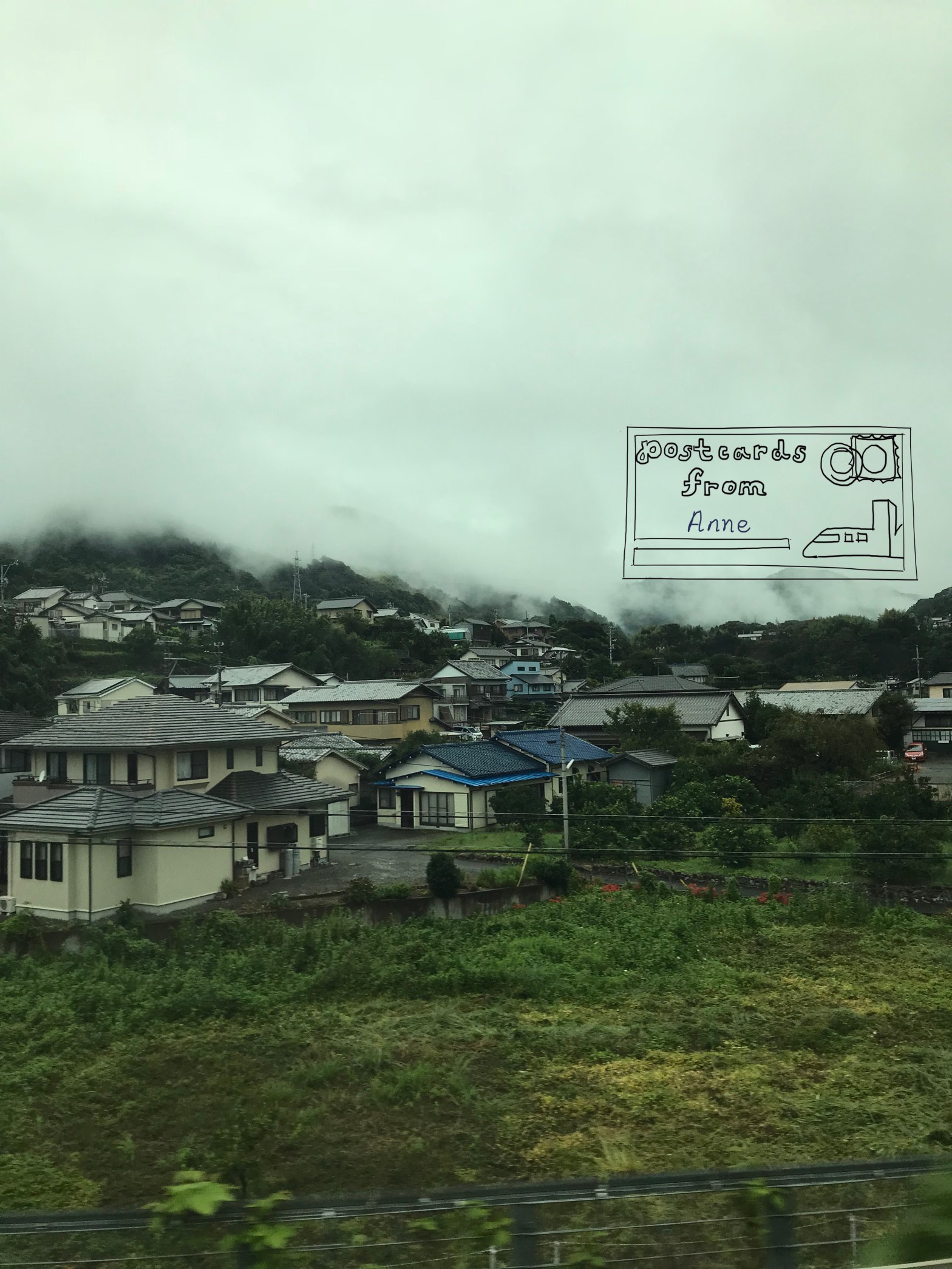
At eight thirty five, the fog covered everything. It obscured the sacred volcano Mount Fuji, the houses, and the car factories. In fact, if the train hadn’t stopped on time, it would be hard pressed to say where we were.
Shinkansen
Shinkansen is a high-speed railway in Japan. It is known for its efficiency. A trip from Kyoto to Tokyo can take under three hours. The tickets do not come cheap, but the trip is an experience in itself.
Tokyo from underground appeared bustling. It was like aspects of the nature of the city had seeped into its underarm. Stores and restaurants lined the walkways of the Tokyo Central Station. From there, various train lines could be taken, branching into wholly different suburbs of the city. Standing in the subway, each person is wholly invisible to the great flow that is moving through the corridors. Though not immaculate, it is not bad for a bustling cityscape after all.
The maze of subway stops and different staircases in and out, if one is not fluent in Japanese, is a difficult one to traverse. Perhaps some other tourist would have taken the BigRedBus, but then one would have missed an opportunity to speak with an attendant one stop away from a popular tourist spot. His eagerness, writing down the route to Yokohama on a post-it, was endearing. It captured a side of Japan that would have been missed had tourists stayed with tourists.
Asakusa Temple in the evening is like wandering and being swallowed in buildings that harness an eve energy. The eve of some great event, whereby praying at the Temple will relinquish. That unrequited, that unattained, that almost-there. People come from far and wide to Asakusa to ask for. The redness of the temple is lit by lanterns nearby, and other more high-tech appliances, and one is struck by the power of red on the temple. Murakami mentions the region in his novels, and to walk through this area was to witness a kind of faded region vibrantly enhanced at nighttime.
Traveling by the metro can give a kind of elongated sensory feeling, like floating in water, and the feeling of not knowing when one would emerge. Young people laugh drunkenly, and others, slightly older, sit quietly, weary after a full day’s work. It is understandable. It is eleven p.m. in Shibuya, and soon, it will be another day on the calendar.
In Mitaka, the Yoshinoya is quietly filled with men, young and old, dressed in white dress shirts and grey slacks. Their faces are all turned to the T.V., where some kind of sumo wrestling tournament is going on, and alternately, at their bowl of beef noodle that they slurp up. When a surprising person walks in through the door, they spare it a glance, before returning to this scintillating topic at hand. It is a September night, neither cold nor warm, and stragglers are found all along the streets, even though most of the restaurants have closed already.
A beep indicates that somebody has stepped into the closest 7. The worker is carefully stacking magazines, and the popsicles beckon. Water is more pragmatic, as there is none at the hotel, and the streets are quiet for now.
Tokyo Book Recommendations:
Convenience Store Woman, by Sayaka Murata, 2018 (English translation)
This book will make you think about 7’s differently. And the way one approaches the world, with relish, despite all contingent circumstances.
Territory of Light, by Yuko Tsushima, 2019 (English reprint), originally released 1978-1979
The novel follows a mother raising her daughter. Light plays a major role in this story, and the way her grasp of the world unravels continues accordingly.
“The Wind Cave”, by Haruki Murakami, 2018
This short story, published in The New Yorker, is an excerpt from Murakami’s Killing Commandatore. The story stands well by itself, though, as it manages to capture a kind of delicacy that resides only in youth, when things are felt so heavily, and linger far into adulthood.
Strange Weather in Tokyo: A Novel, by Hiromi Kawakami, 2017 (English translation)
Kawakami writes of a strange relationship between student and teacher. The story weaves into more complex territory, but what is striking is the way it quietly begins.
 postcardsfromanne.com