
ANTWERP – The summer heat was beginning to infiltrate the city. In the evening, the dusk stayed for a long time, hanging just at the horizon. Even in the city, where several floors of houses surrounded every way you looked, you could tell that night was not ready to come.
The soccer match was on at every pub, restaurant, and shop imaginable. People stopped on the street, gaping. It was like the past, when people used to go where T.V.s were and watch along the sidewalks in public.
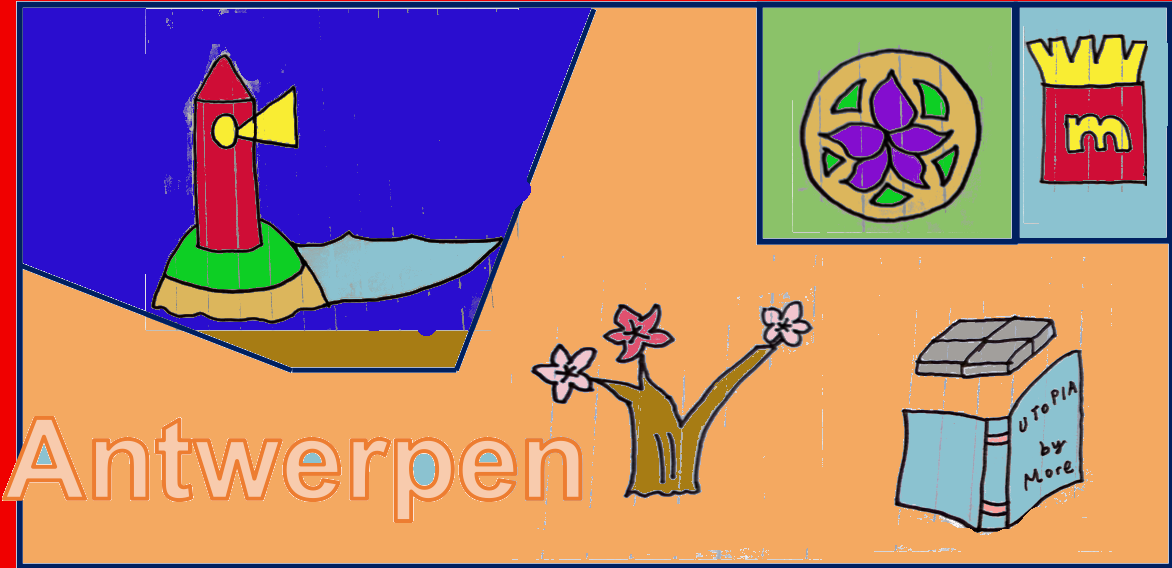
The smell of fries wafted through the air. These were served the Belgian way, in a paper cone, with a generous dose of sauce on top. The sellers for these fries were always the same: willing to add more sauce for more cash.
Everywhere you strolled, it seemed that you would come upon another restaurant. The puddle of sewage surrounded the Cathedral of Our Lady, mirroring the Gothic archways. Its foundation was so large. A lone inscription on the stone bricks out front said that the author Thomas More heard about Utopia on a trip here.
Nearby, a McDonald’s. Always, you could have this be. Even in Antwerpen. The breakfast meal itself was different than what one might have in the U.S. The lady cleaning upstairs received a Euro for use of the bathroom. She also mopped the front of the store; it was early, and nobody seemed to mind the wet floors.
The press museum was located in the heart of the city, to the side of the Schledt River. From the port, ships were welcomed in by a red brick castle. A bridge nearby seemed to attract all sorts of wanderers to look off the side.
The museum itself was built in the formation of a square. Portraits of each family member hung in the first main room. Rich furniture covered the squeaking, wooden floorboards. A man sat and operated an original press, an act of apprenticeship and livelihood, now performed for visitors. Each individual received a scroll pressed in the old way if desired. Rolled up, the scroll somehow made its way back to the States.
Rubens House
Rubens himself was a very ambitious man. He targeted religion first, printing many of the Bibles. In order to do this, he was well-connected politically, because they had to approve all the Bibles being printed. Having bought several of the few existing kits for lettering, Rubens essentially had a monopoly over the press.
Beyond the press, Antwerp was geographically fairly close to Brussels. On-wards by train, Au revoir to Antwerpen.
A Series of Antwerpen Events in Pictures:
 postcardsfromanne.com