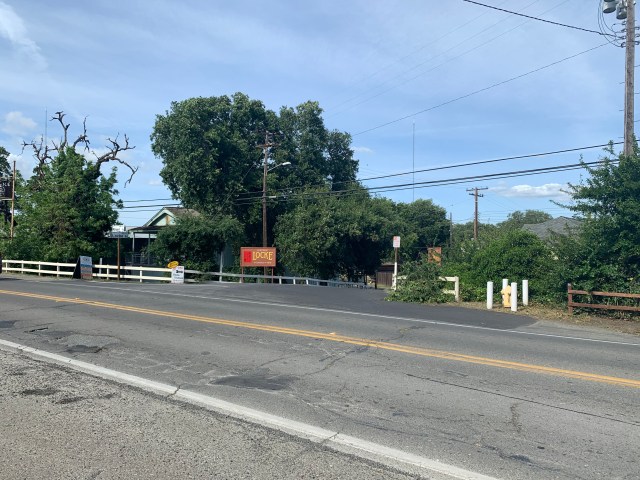
LOCKE, California – Not far from Sacramento, there’s a California National Historic Landmark. A window into Central Valley history emerges – and it is not difficult to imagine the countryside having stayed as it was on this day – cattle by the side of the road, grazing to the backdrop of clear, blue skies – for countless years before.

Then, suddenly, the town sign loomed ahead. The town was like a historical snapshot of the past, yet presently submerged amid pragmatic action. It was cleaning day, when motorcyclists were helping to refurbish the town, bringing with them a kind of messy jubilance.
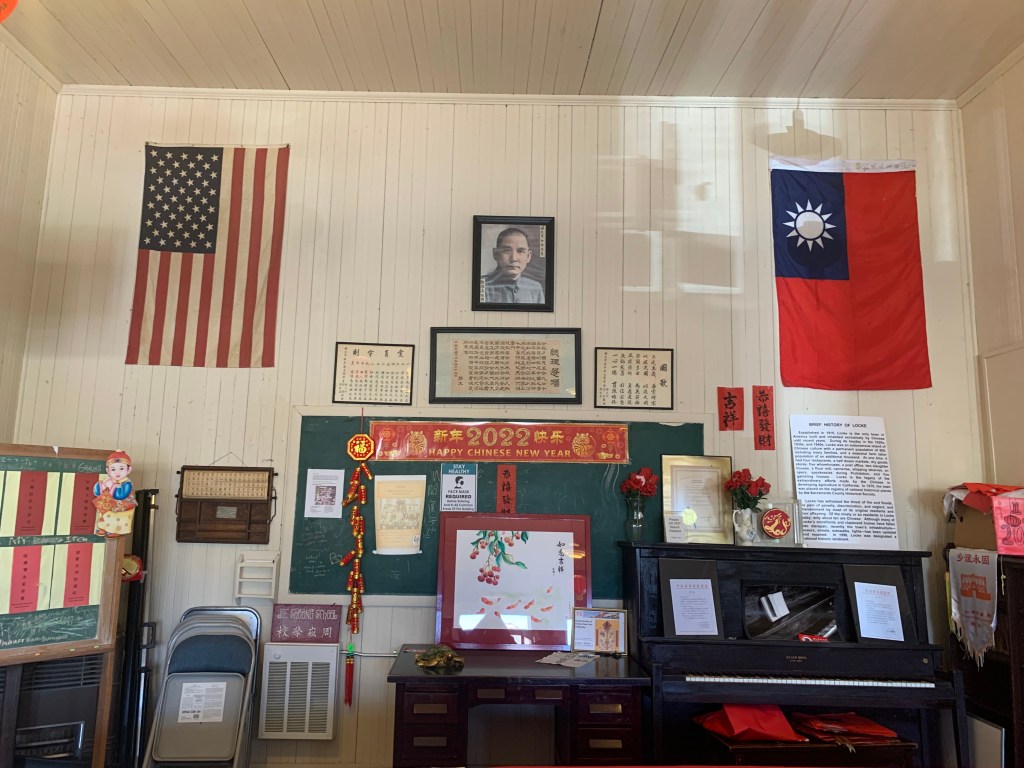
Not far into the town, there’s a school. Perhaps it’s a sign of the significance education held in the residents. It sits across the street from the boarding house, a CA state museum dedicated to describing the values of the people living in the town. So many stories lie in between the lines.
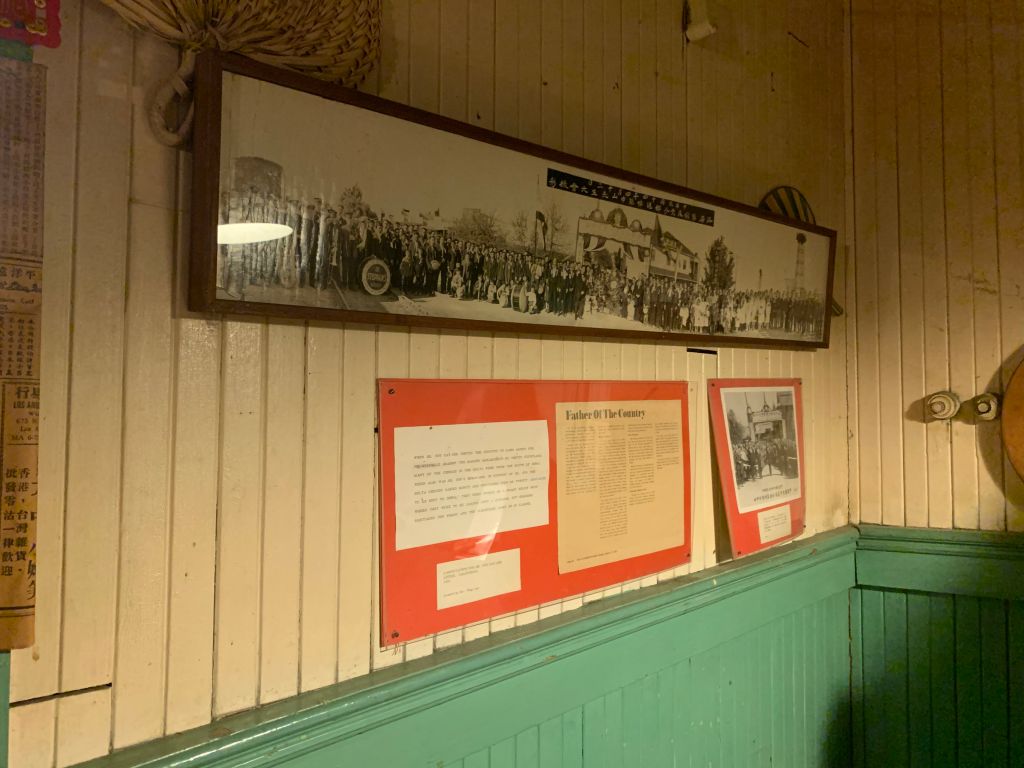
Strolling further into town, there are various reflections of past denizens — gambling hall, shops, and restaurants — some now converted to museums. On the walls hung carefully crafted scraps of history, newspapers describing more detail about local Asian American history than any described in school.
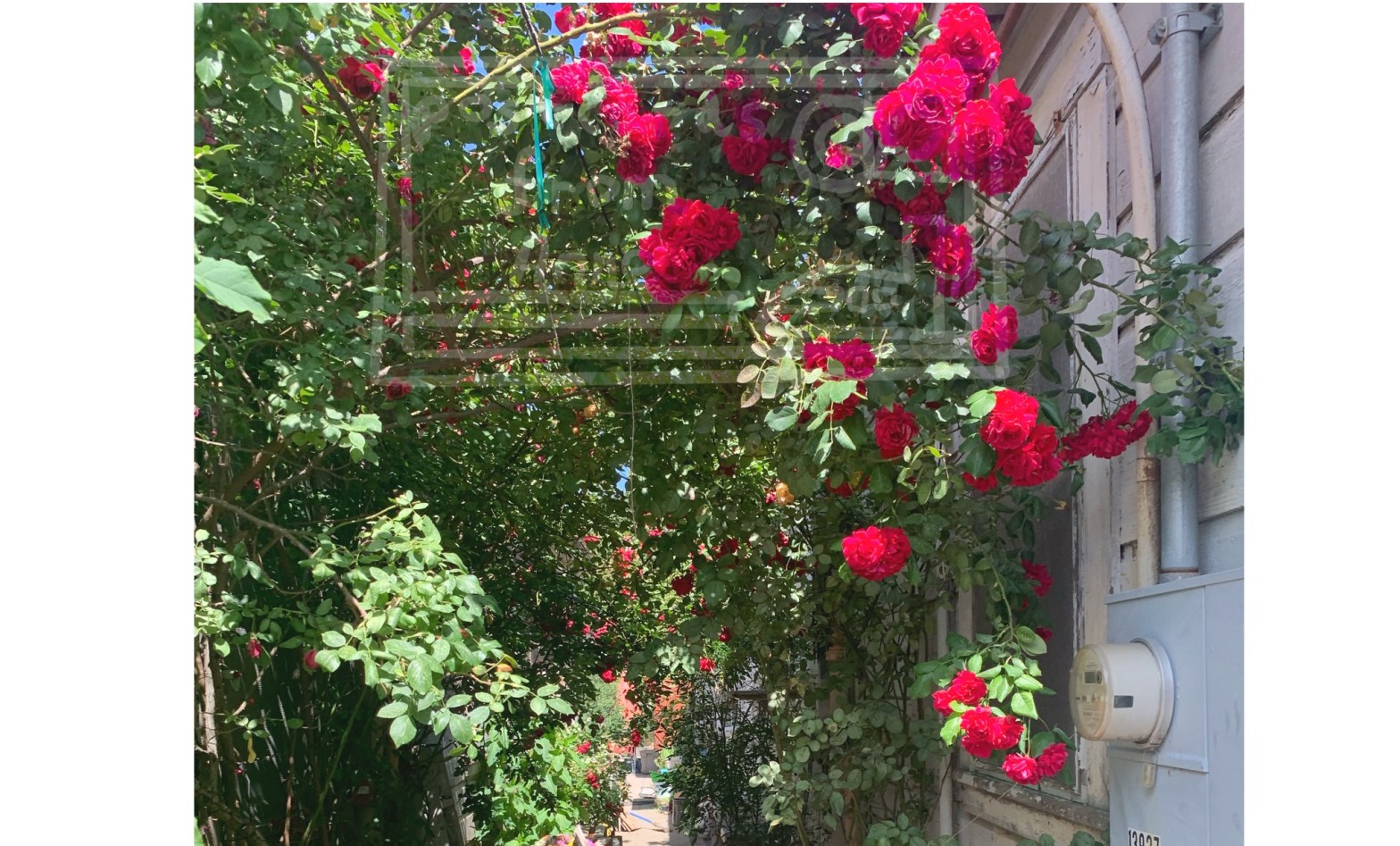
Meanwhile, locals provide living background to today’s Locke, if you only listen. Between the wooden buildings, vines stretch across the lane. The smell of Chinese food wafts by.
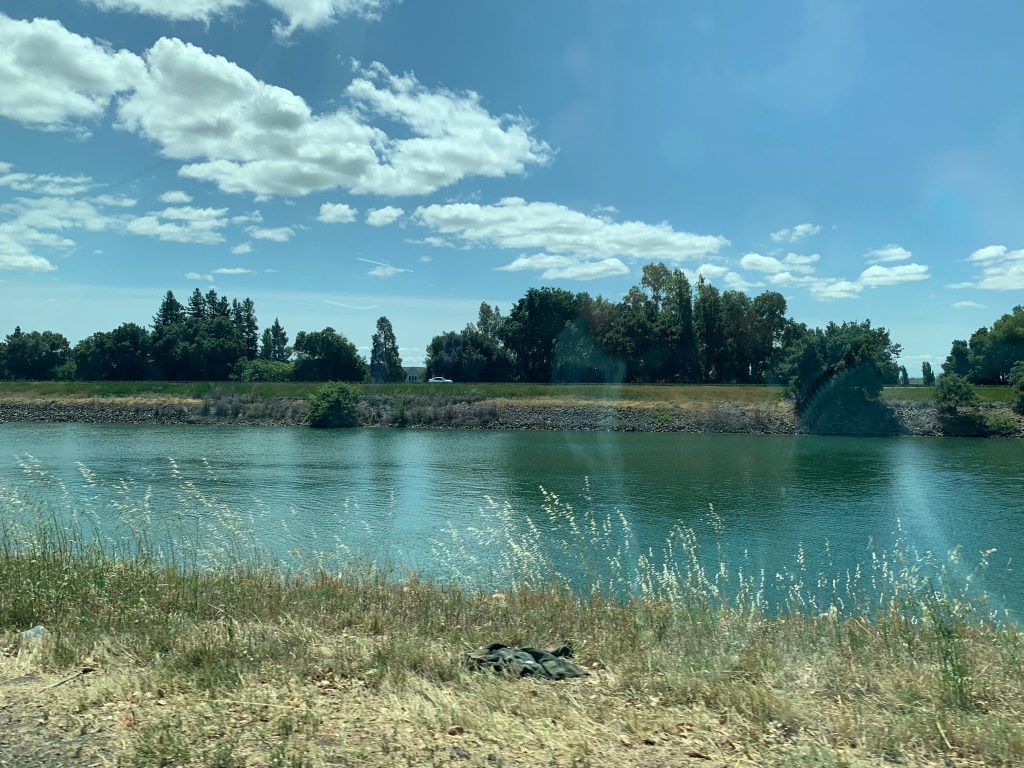
Just beyond the way, is the Sacramento River. Signs nearby proclaim the political fight over its waters. It flows, clear as the sky, a lifeblood to the region.
Locke Book Recommendations:
Water Ghosts, by Shawna Yang Ryan, 2007.
Stepping into the past of Locke through its Chinese American residents.
How Much of These Hills is Gold, by C Pam Zhang, 2020.
A woman’s growth and development in the Sierra Nevadas.
Run, River, by Joan Didion, 1963.
Scenes of various dysfunctional families along the Sacramento Delta.
The Legend of Auntie Po, by Shing Yin Khor, 2021.
Comic book portraying the imaginings and life of a Chinese American girl in post-Gold Rush CA.
 postcardsfromanne.com