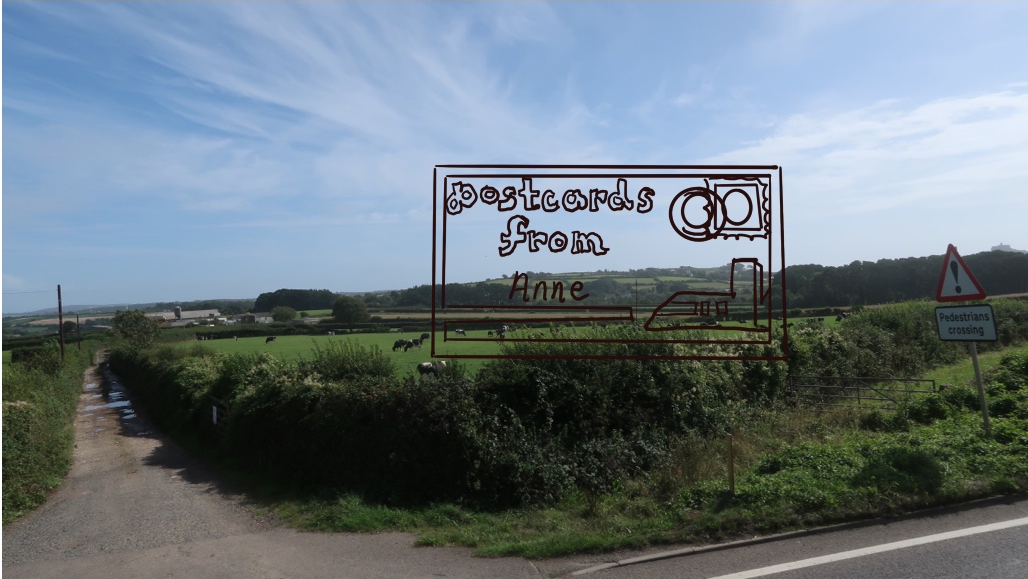
CORNWALL, UK – At the bottommost of the United Kingdom sits an area where narrow roads wind through cornfields with cautious abandon. The winds whip the uninitiated around, the water roiling with a tempestuous nature that the English Currents do not fully describe.
The clouds in the distance never cease. With almost absolute certainty, they bring ashore harsh rain and winds, but in those brief clear respites, it would appear unimaginable. Instead, the light illuminates the richness of the waters with shimmering aquamarine and people line the shores.
The tourists arrive in droves. It is the time of year before the holidays, when people refuse to believe that summer is over. It doesn’t matter that school children are taking the trains. The shops are still filled with on-lookers, and the restaurants are crowded mid-day.
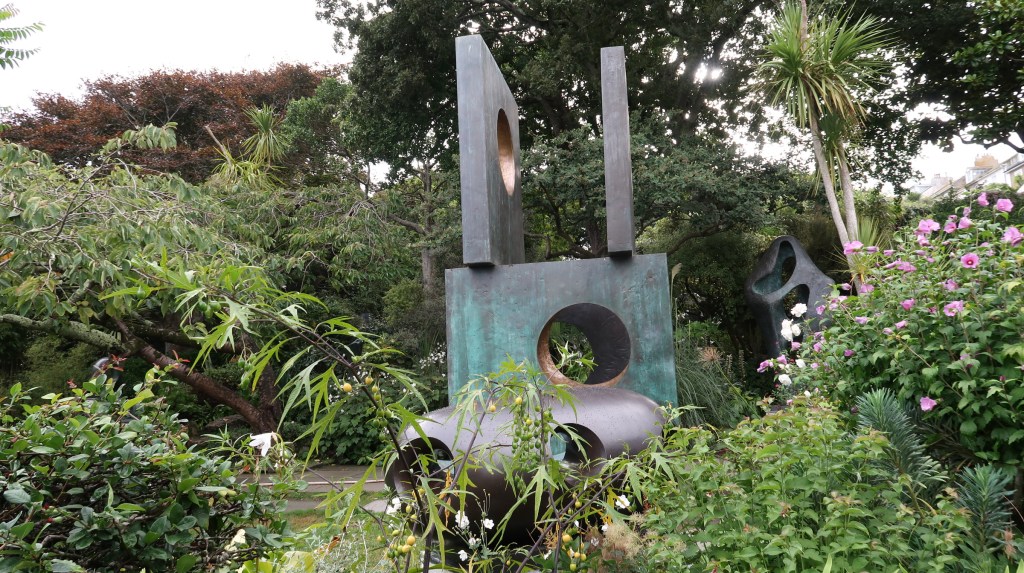
Woolf’s family house still stands with an oceanfront view. The winding roads that pass by are not distinctive from many villages in England.

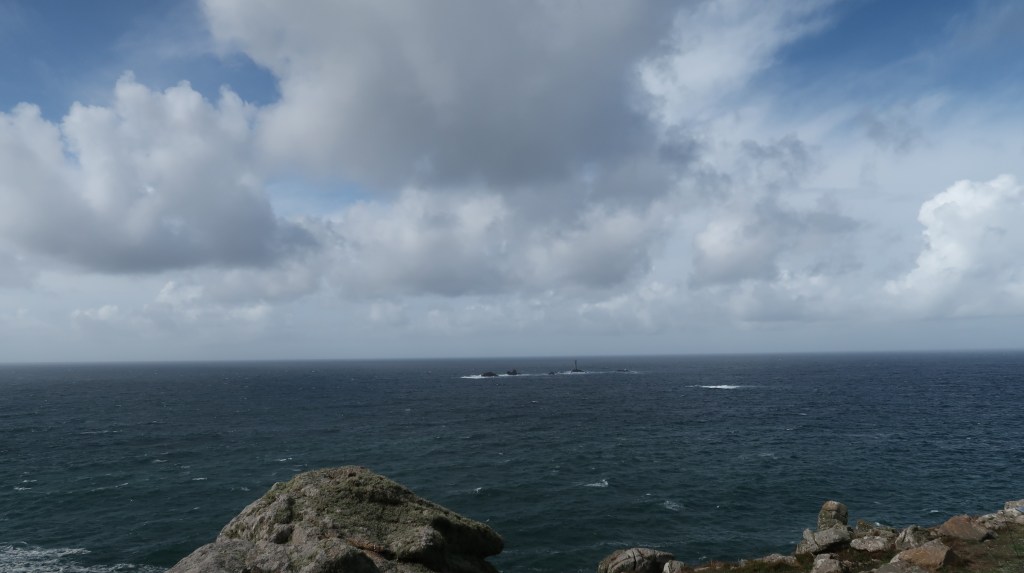
The train stops for a brief respite, unloading those weary of journeying. They can watch the occupants of this village go about their everyday, juxtaposed with the tourism industry, damp with enthusiasm. Not far away is the lighthouse that sits on rocks that break waves all day long.
St. Ives Book Recommendations:
Rebecca, by Daphne Du Maurier, 1938.
A woman lives in the shadows of a former mistress of this property.
To The Lighthouse, by Virginia Woolf, 1927.
An avante-garde piece about the trials of a family and their trips to the oceanside.
Small Pleasures, by Clare Chambers, 2016.
Picked up at The Edge of the World Bookstore about a mother and daughter who was conceived under mysterious circumstances.
 postcardsfromanne.com